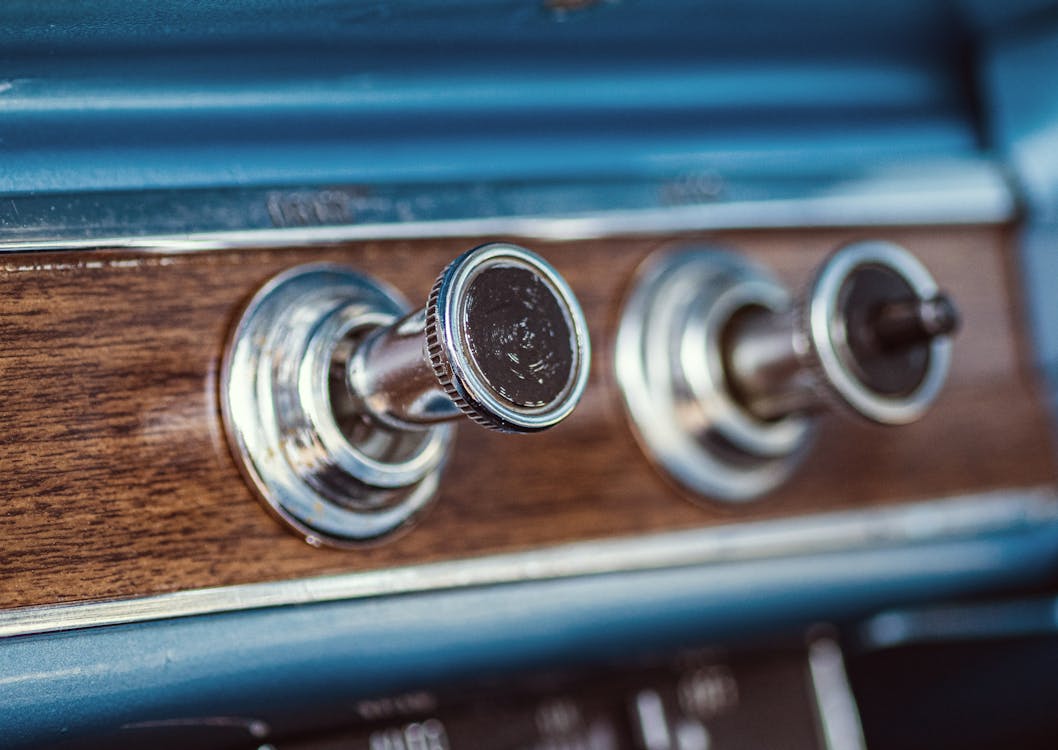
For the past decade, auto insides have actually been quickly developing toward smooth, screen-dominated control panels. Touchscreens changed traditional knobs, sliders, and switches in what lots of presumed was the unavoidable march of development. Yet, in an unforeseen twist, physical buttons are quietly making their way back right into modern-day lorries. The shift signals more than simply a timeless nod-- it's a response to real-world comments from chauffeurs desire simplicity, safety, and tactile contentment.
The Digital Overload Dilemma
When touchscreens initially started taking control of control panels, they seemed like the future: clean, personalized, and packed with features. They eliminated clutter and allowed car manufacturers to enhance their insides with less physical parts. Yet as even more functions were hidden within digital menus, chauffeurs began to articulate concerns.
Touchscreens typically call for multiple steps to execute fundamental jobs like changing the climate or altering the radio station. Unlike buttons, they do not have the instinctive muscle mass memory that allows a vehicle driver to transform a setting without taking their eyes off the road. With so much taking place on-screen, it becomes all also very easy to get sidetracked-- something no person wants when traveling at freeway speeds.
The Return of Tactile Functionality
Among the largest advantages of switches is their tactile responses. You can feel them without needing to look. This sensory support makes them not just convenient but more secure for chauffeurs. When your hand intuitively recognizes where the quantity knob is or how far to push a button to trigger the defrost, it lowers the requirement to look down or away from the road. And while touchscreens use ease for infotainment and navigation, the critical everyday features-- like hazard lights, audio controls, and HVAC-- feel better fit to physical controls.
Actually, many motorists that formerly swore by electronic systems have actually shared admiration for more recent designs that mix modern looks with the functional feeling of traditional controls. It's not about rejecting innovation-- it's concerning enhancing usability.
A Balanced Design Philosophy
Designers have noticed this changing belief. Instead of deserting screens, they're reconsidering exactly how they're integrated. The most effective insides currently strike a balance in between digital versatility and analog precision. That implies purposefully placing buttons for vital features while making use of digital interfaces for applications, navigation, and media.
This hybrid technique is specifically preferred in cars made for long-distance driving or family members. The simplicity of pushing a switch without stumbling with a menu makes a large difference when you're trying to stay focused, comfortable, and risk-free. Even in lorries known for sophisticated tech, a straightforward rotating dial or responsive control can be the attribute that wins over vehicle drivers searching for thoughtful style.
Buttons and the Emotional Connection
There's additionally something uniquely emotional about buttons. They bring a certain degree of interaction that touchscreens just don't reproduce. Pressing a switch or turning a dial feels like you're physically interacting with your cars and truck-- it adds a layer of link that makes the driving experience much more enjoyable.
For those thinking about used Chevy cars, cars from recent years frequently provide the very best of both worlds: receptive touch interfaces coupled with classic physical controls. These models bridge the gap between development and knowledge, making them perfect for motorists who appreciate modern features without giving up ease of use.
Modern Technology Isn't Just About Screens
It's easy to merge innovation with screens, yet real advancement indicates enhancing the driver great site experience. In this light, switches are a form of wise design. They're quick, accurate, and do not demand interest. As automotive style becomes increasingly driver-centric, comfort and intuition take spotlight.
This additionally ties directly right into the resale and trade-in worth of vehicles. Cars that prioritize user-friendly functions often tend to mature much better in the eyes of future purchasers. If you're taking into consideration a Chevrolet trade in, understanding that your present lorry uses a thoughtfully developed interior, complete with easily obtainable controls, can have a favorable effect.
The Future Is Functional
As automobile producers re-evaluate the role of user interfaces in the cabin, they're assisted by chauffeur feedback and real-world functionality studies. The revival of switches does not signal a return to the past-- it's a progression in thoughtful, user-first design. It recognizes that development does not always mean getting rid of the old however integrating it in a manner that makes driving more secure, simpler, and more satisfying.
If you're in the marketplace and exploring Chevy new car deals, keep an eye on exactly how different versions manage their indoor controls. It's not just about the touchscreen dimension-- it's concerning just how the lorry assists you stay focused on the road while making your daily commute much more intuitive. Buttons might not be the flashiest attribute, but they're rapidly becoming one of one of the most valued.
For even more understandings right into vehicle trends, interior decoration innovations, and wise vehicle purchasing tips, make sure to examine back routinely. We're always upgrading the blog with fresh concepts to help you browse the road ahead.